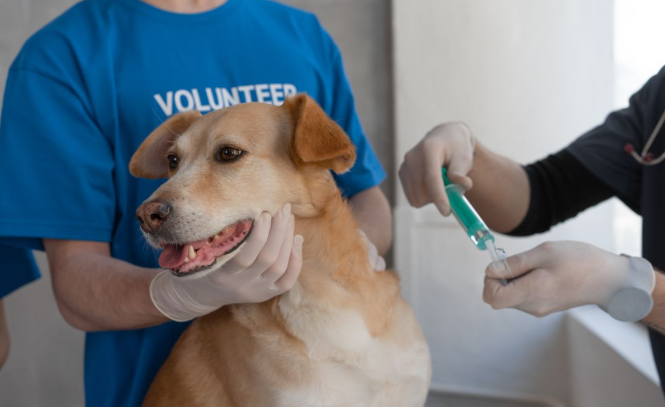
Chennai, Aug 5: The Greater Chennai Corporation (GCC) is set to begin a citywide vaccination campaign in the second week of August, targeting around two lakh stray dogs as part of its efforts to prevent rabies and improve animal welfare across the city.
The campaign will cover all zones of Chennai and will include free anti-rabies and anti-parasite vaccinations for pet dogs as well. The civic body has appealed to pet owners to participate in the programme and ensure timely vaccination of their animals.
Pic Credit: Pexel
The initiative comes as Chennai continues to strengthen its animal health and population management efforts. Last year, the Corporation vaccinated around 1.47 lakh stray dogs against rabies, while the city’s stray dog population was estimated at approximately 1.80 lakh. With the population expected to have increased, the vaccination target has been raised this year.
Alongside the vaccination programme, the GCC is expanding its Animal Birth Control (ABC) infrastructure to improve sterilisation efforts. Currently, 11 out of 15 ABC centres in the city are operational, while additional centres at Nandambakkam and Perungudi are expected to become functional soon. The remaining facilities at Athipattu and Sholinganallur are scheduled to open later in August.
Once all centres are operational, the Corporation expects a significant increase in sterilisation capacity. Existing facilities currently perform around 200 ABC surgeries daily, a number that could rise to nearly 400 surgeries per day after the expansion.
The city has already seen a steady rise in sterilisation procedures, with nearly 24,000 surgeries conducted on stray dogs since January. Monthly surgeries increased consistently, reaching the highest level in July with more than 5,300 procedures completed.
Officials said the combined focus on vaccination and sterilisation will help control the stray dog population, reduce the risk of rabies transmission, and improve public safety while ensuring better animal care.
However, animal welfare groups have raised concerns about the handling of stray dogs during vaccination drives, maintaining proper vaccine storage conditions, and ensuring animals are safely returned after procedures. The GCC has assured that vaccines are stored and transported following required safety standards.
The civic body has encouraged residents, pet owners, animal feeders, and welfare organisations to support the campaign, stating that community participation will be essential for creating a safer and healthier environment for both people and animals in Chennaia